
Blaue Wunder
Storyline
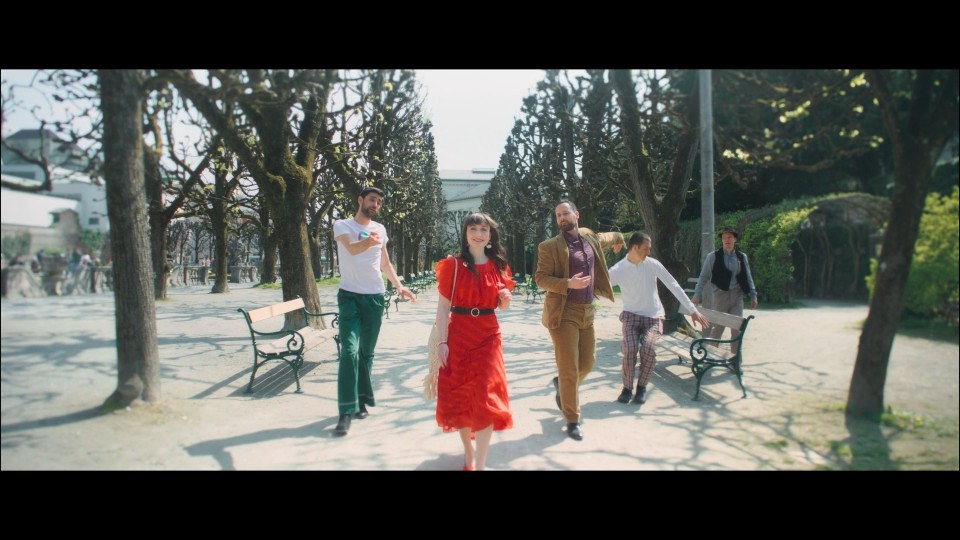
In the 1950s, young Eva is raised in a society where traditional gender roles define a woman’s worth. Struggeling to fit into the mold expected of her and wishing to escape the pressure, little Eva longs to be invisible. As a young woman, she embraces life, enjoying love and newfound freedoms. Today, as an older woman, Eva realizes that the world overlooks the elderly.
About the film/director
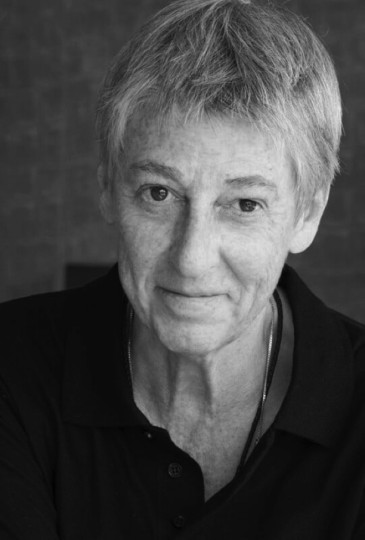
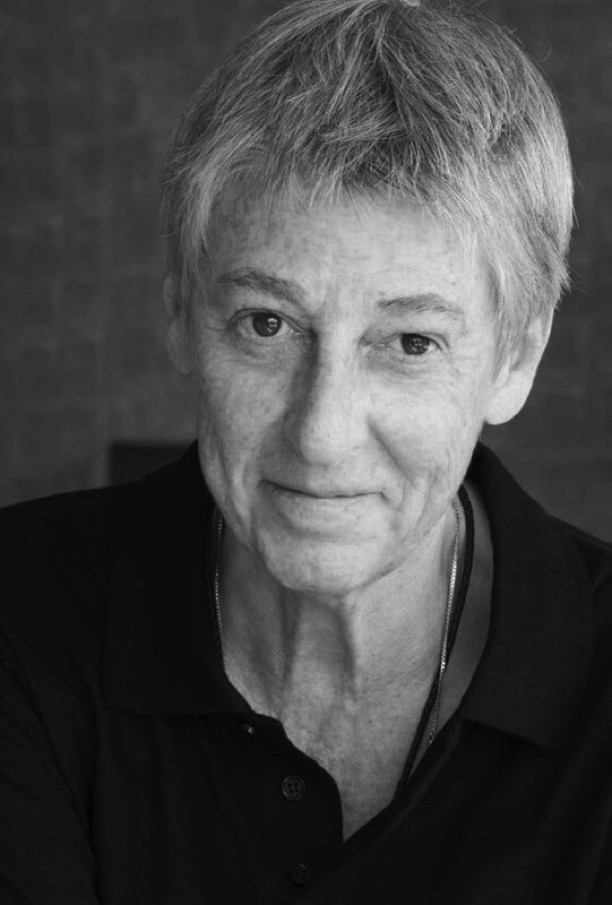
Esther Wenger is a German filmmaker known for her work as a director and screenwriter. She has been involved in a range of projects that often explore themes of social issues, personal identity, and human relationships. While she may not be a household name, Wenger has gained recognition within independent film circles, particularly in Germany.
Her work often focuses on character-driven narratives and has been praised for its emotional depth and attention to detail. Wenger's films tend to be introspective, offering viewers a glimpse into the complexities of human behavior and the nuances of everyday life.
She continues to contribute to the film industry with her distinctive voice, working on both feature films and short films.
Director’s statement
The short film “A thousand questions and one miracle“ delves into an entire woman’s life – from childhood to old age. The central theme of the film is the “invisibility” of women as they age, a phenomenon that I and my friends of the same age have experienced, and which is currently a topic of discussion in the cultural scene. Andrea Eckert, who performed in Six Dance Lessons in Six Weeks at the Burgtheater in Vienna, captures it well in her role: “As a woman over 60, you are invisible.” Marlene Streeruwitz wrote about this in an essay in Der Standard titled "Recently. I Wanted to Buy Cheese," and Susanne Schneider from SZ-Magazin also addressed this issue in her article "Disappearing from the Scene."
“A thousand questions and one miracle“ is a witty homage to all women, an amusing attempt to poke fun at female socialization. At the same time, the short film is also a tribute to Upper Austria and Salzburg, my chosen home for over 20 years. I’ve lived at Lake Attersee, where I raised my children. Here, in my free time, I’ve also been culturally active, running the "Festival of Nations" with a friend for eight years. We’ve supported young filmmakers from the region, bringing young people from all over the world to Lake Attersee and giving them the opportunity to make their own short films, which then became part of the festival program. With “A thousand questions and one miracle“, I ventured into short film production myself for the first time.
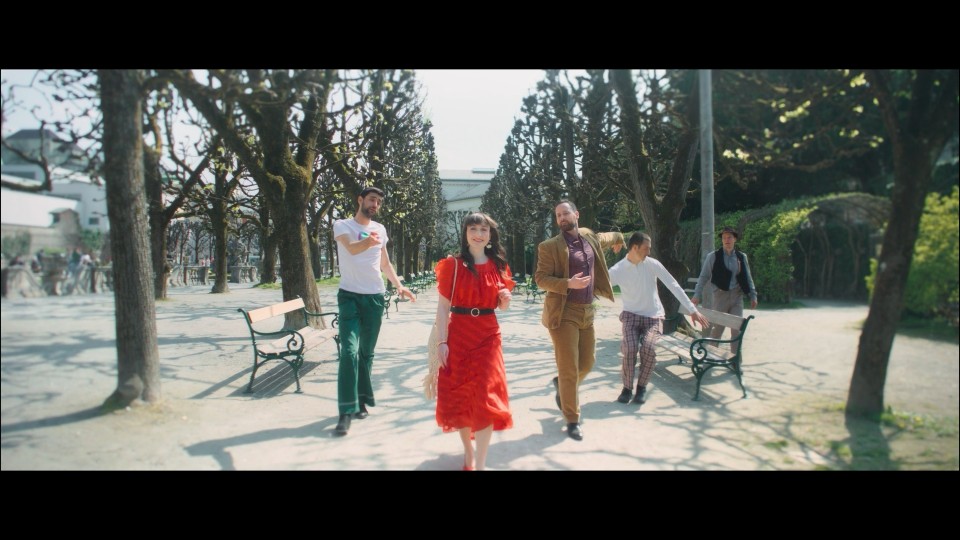
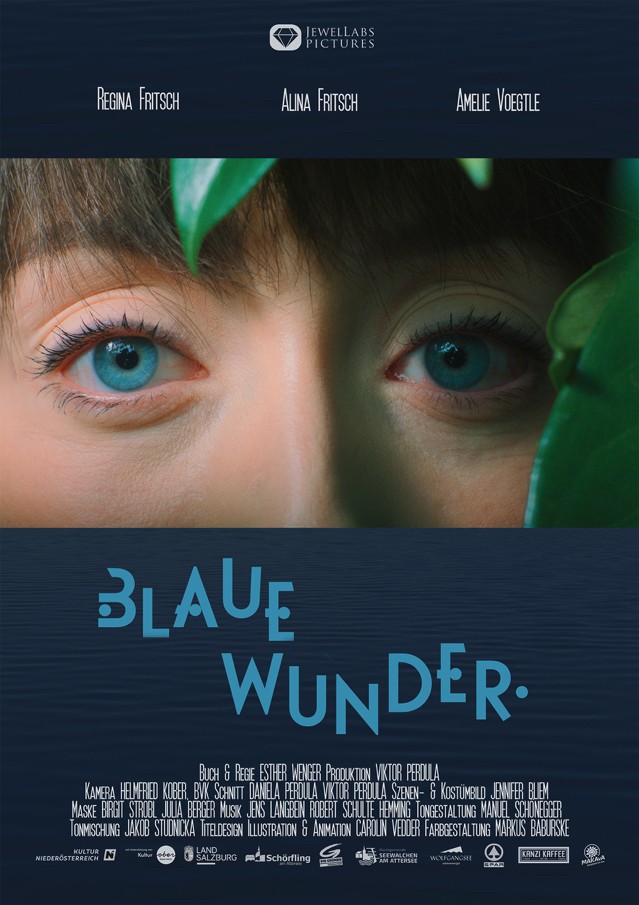
The film follows the protagonist Eva through four stages of life: as a child, as a young woman, as a wife and mother, and in the present as an older woman. Dissatisfied with her upbringing, little Eva seeks a way to become invisible. Supported by commercials from the 60s, 70s, and 80s, we humorously experience the prevailing image of women during Eva’s childhood, youth, and adulthood. Through various scenes, we also meet the men she falls in love with. Eventually, Eva gets married, and after a brief period of happiness, it’s no surprise that her old desire to become invisible resurfaces. At the checkout in a supermarket, the older Eva suddenly realizes she’s achieved it. She has become invisible on her own and enjoys her newfound freedom. Through Eva's eyes, we see how wonderful it can be to be invisible in old age and finally do whatever you want.
For “A thousand questions and one miracle“ I was fortunate to collaborate with cinematographer Helmfried Kober. In our work together and in his own films, as well as in the films of Joseph Vilsmaier, he has always created images of remarkable depth with his creative imagination. Together, we achieved a fairytale-like and unique visual style that delights viewers in every scene – both visually and narratively.
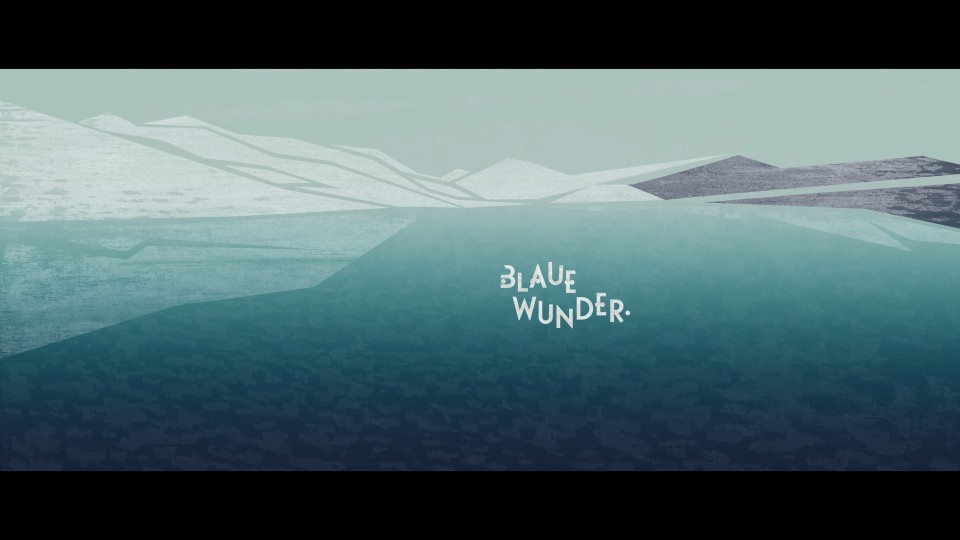
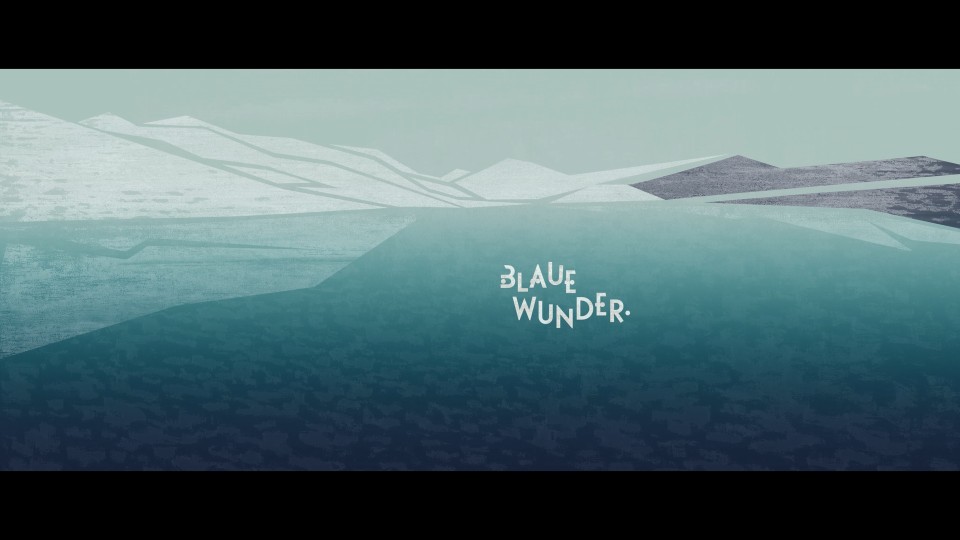
The filming of this entertaining 28-minute film took place at the most beautiful locations around Lake Attersee, following in the footsteps of the painter Gustav Klimt, who spent some of his most creative periods here during his summer retreats. Already in the first scene, the water surface of Lake Attersee, captured by a drone, transforms into a visual reference to Klimt’s painting Der Attersee from 1900. The main filming location was the Villa Paulick in Seewalchen am Attersee, where Klimt spent many summers with Emilie Flöge. Other iconic spots from his paintings also came to life in front of the viewers’ eyes: the small chapel on the Gahberg, the promenade, and the marina in Seewalchen. A short detour led us to Lake Wolfgang, where a young man (to the delight of all sports enthusiasts) performed a triple somersault off the Falkenstein cliff into the emerald-green water.
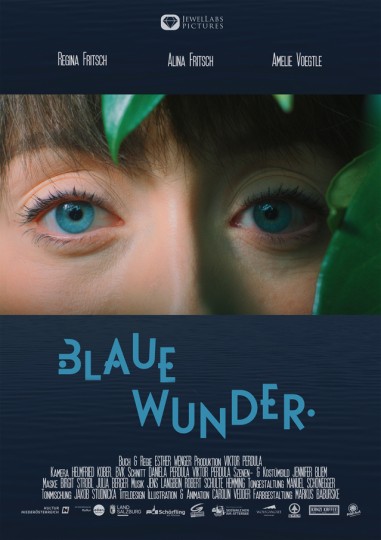
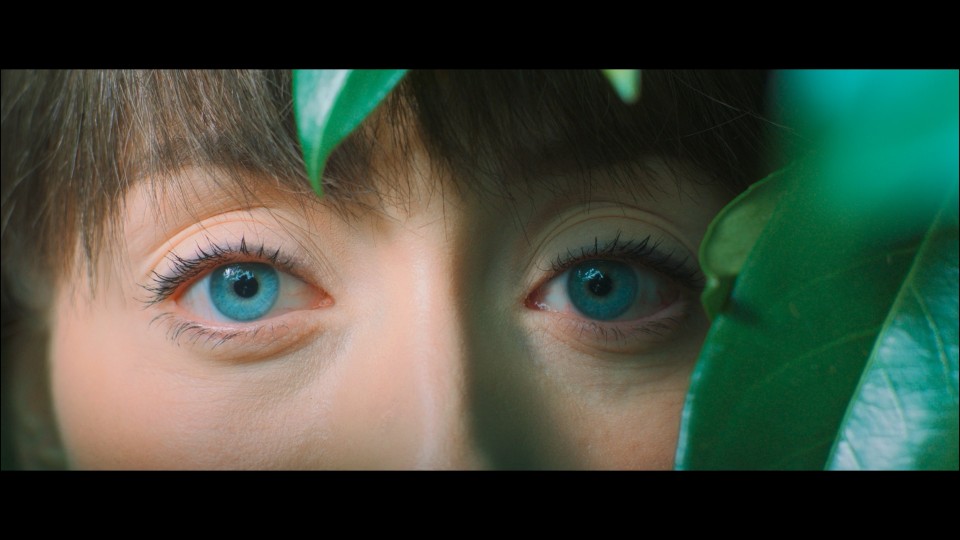
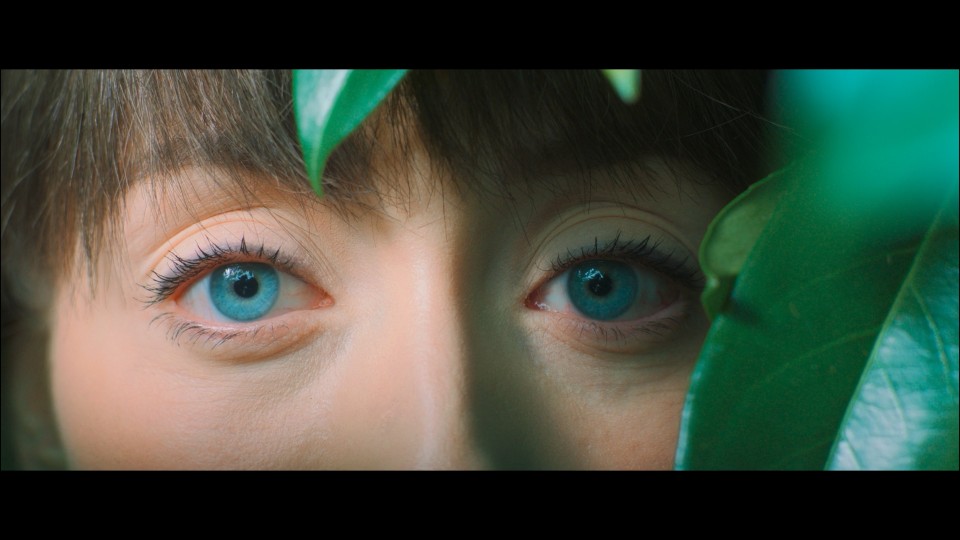
“A thousand questions and one miracle“ also plays with Klimt's allegorical painting style and his delicate and unconventional spatial compositions. Klimt often sought to lovingly exaggerate the beauty of young women, equating them with flowers. He "vegetabilized" his female figures, transforming them into flowers, hiding them in nature, while bringing their faces to radiant prominence. Together with Helmfried Kober, I aimed to create similar images, but with a humorous twist. In her quest to become invisible, Eva also hides in nature – in the bushes and grass of the garden at the beautiful and mysterious Villa Paulick.
FILMOGRAPY (Selection):
2025
TV-Spielfilm (Reihe) (ZDF/ORF), „Lena Lorenz – Wahlverwandschaft“, Regie
TV-Spielfilm (Reihe) (ZDF/ORF), „Lena Lorenz – Auf Augenhöhe“, Regie
TV-Spielfilm (Reihe) (ZDF), „Das Traumschiff – Neuseeland“, Regie
TV-Spielfilm (Reihe) (ZDF), „Das Traumschiff – Bora Bora (aka Südsee)“, Regie
Kurzfilm (JewelLabs Pictures), „Blaue Wunder“, Regie
2024
TV-Serie (ZDF), „SOKO Leipzig“ – 1 Episode, Regie
2023
TV-Spielfilm (Reihe) (ZDF), „Marie fängt Feuer – Hitzewelle“, Regie
TV-Spielfilm (Reihe) (ZDF), „Marie fängt Feuer – Herz über Kopf“, Regie
2022
TV-Spielfilm (Reihe) (SWR), „Tatort – Gold“, Regie
TV-Serie (ZDF/ORF), „Der Bergdoktor“ – 1 Episode, Regie
2021
TV-Spielfilm (Reihe) (SWR), „Tatort – Das Verhör“, Regie
TV-Serie (ZDF), „Die Rosenheim-Cops“ – 1 Episode, Regie
Credits
Director:
- Esther Wenger
- Script:
- Esther Wenger
- Camera:
- Helmfried Kober
- Editor:
- Daniela Perdula, Viktor Perdula
- Animation:
- Carolin Vedder
- Cast:
- Alina Fritsch, Amelie Voegtle, Emre Aksizoglu, Ingo Geiger, Manuel Lindner, Regina Fritsch, Thomas Birnstiel
- Costume Design:
- Jennifer Bliem
- Set Design:
- Jennifer Bliem
- Sound:
- Jakob Studnicka, Manuel Schönegger
- Music:
- Jens Langbein, Robert Schulte Hemming
- Production:
- Viktor Perdula
- Contact:
- JewelLabs Pictures GmbH
- E-Mail:
- office@jewellabs.com
Austria
- German, English
- 2025
- 28 min